
3 Reasons Why Sailors Used to Love a Good Drowning
The 19th-Century Obsession with CPR (and bongs for the butt)
Since my manuscript involves a modern woman taking a fatal plunge into a lake and being revived in 1826, I had to look into early 19th-century resuscitation methods.
I was expecting smelling salts. Maybe some aggressive wrist-slapping.
Instead, I discovered that in the late 1700s and early 1800s, the Royal Humane Society had some... inventive ideas about bringing people back from the brink.
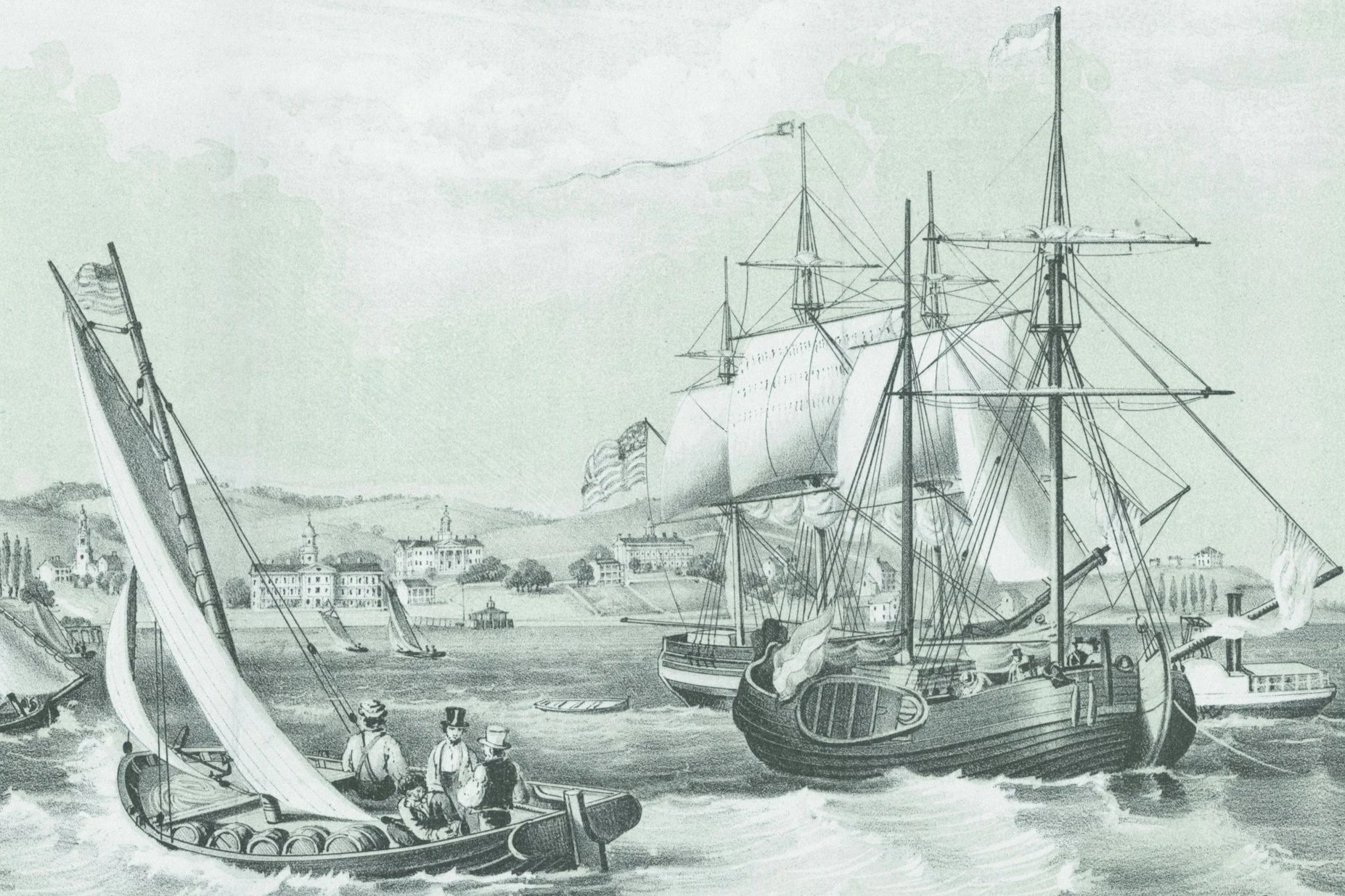
Fear not, good sir! There shall be no chest compressions on this sea voyage.
🕰️ Here’s what I’ve come up with in my time travels:
Number 1: Look out Bel(l)ows!
Before modern chest compressions took over, one of the leading medical recommendations for drowning victims was—and I am not making this up—bellows. Yes, the exact same device used to stoke hearth flames. Doctors would literally try to pump air back into a patient's lungs using household fireplace tools.
But the belief that a resurgence of air would jump-start our organic airway machines back into action wasn’t as far-fetched as it sounds. Mouth-to-mouth rescue breathing became the standard we know and appreciate today.
Number 2: The Reverse Bong
“Fumigation with tobacco smoke” in the drowned victim’s colon was another exciting option. If remedies in the rear weren’t successful, then pumping a beer-bong’s worth of rum, linseed oil, zinc sulfate, or molasses into the belly were the alternatives.
You know the old saying - “blow smoke up your $@#”? Yep, that’s actually a tried and true method. One that pretty much left a patient just like you found them. Dead.
Number 3: Ye Old Yoga Pose
While there wasn’t access to many Hatha yogis pre-Lululemon, people did get creative with how to twist the body to get rid of the water you inhaled. Interesting poses like “slung over a trotting horse,” “hung upside down by the heels,” or “hauled over the edge of a cask of water” were all interesting ways to empty your insides to the outside.
Sometimes it helped, sometimes it didn’t. Stomach contents would usually come up, but it was harder to get the lungs to play along.
And when all else failed…
Other fun methods include bleeding, shaking, agitating, rubbing the limbs, dousing in wine, and squeezing the throat. Most were about as successful as offering a few good prayers, or never learning to swim in the first place. It might be more productive if the sea decides your fate, rather than the wacky ideas of your crew members.
Note: Rest assured, artificial ventilation and chest compressions have been the preferred pathways for resuscitation since the 1960s.
Today, learning to swim before entering the water and having CPR training are highly encouraged.
